
Final Weekend of the Dialogue Group Facilitation Course: What a Journey!
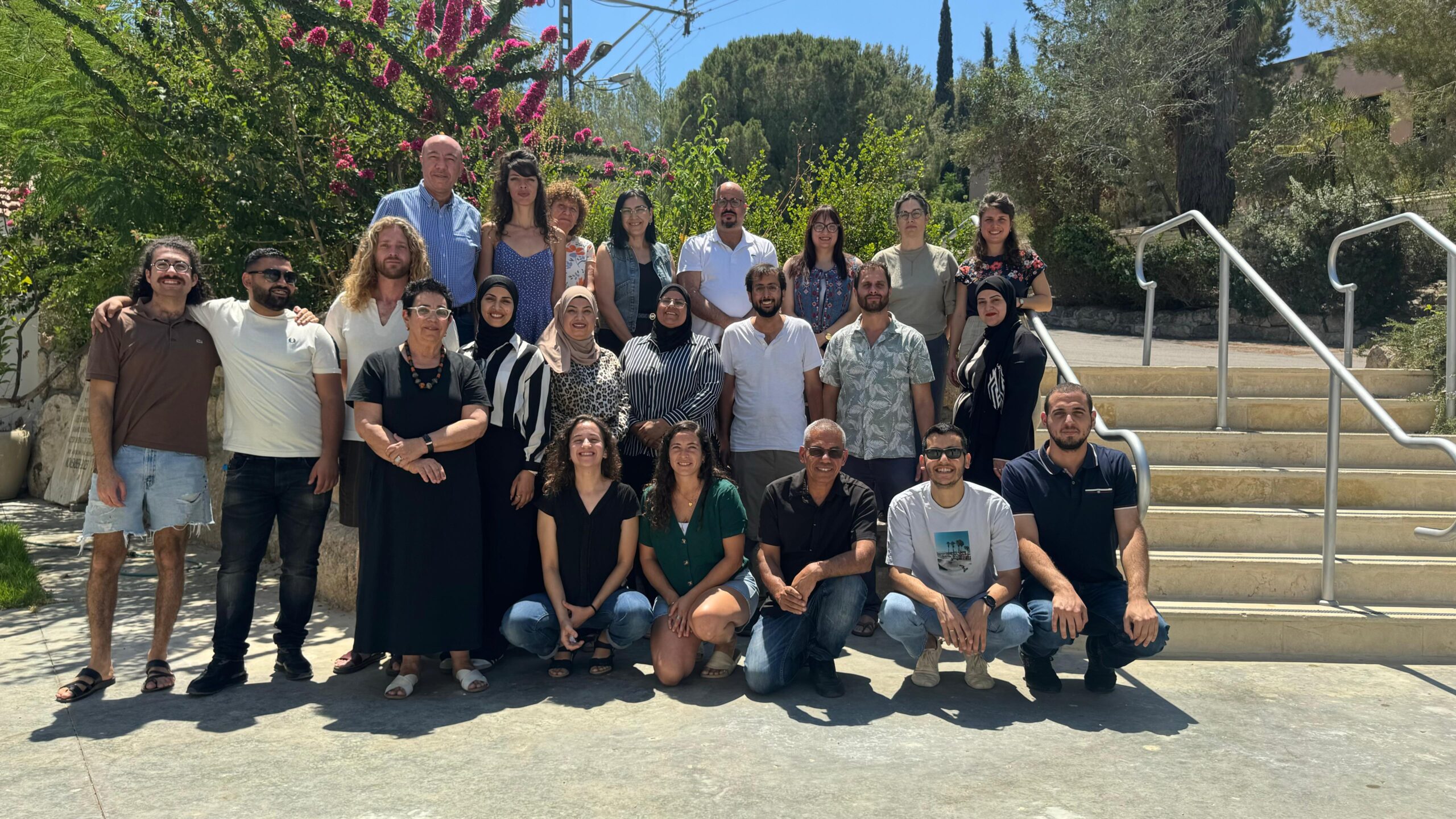
“The combination of peer facilitation, lectures, and a collective farewell created a powerful and meaningful conclusion to the Dialogue Group Facilitation course.”
In a time when war and destruction are tearing people apart, a group of Palestinians and Jews chose a different path. They chose to meet. To sit together. To listen. To learn. That choice alone was bold — and it gave our final weekend a deep and lasting significance.
During the peer facilitation sessions, participants were asked to engage with themes of trauma and loss caused by the war and to develop facilitation tools such as empathy and active listening. In learning about facilitation methods, they explored ways to help groups express deep emotions, manage tensions, and build trust—even under the most challenging conditions.
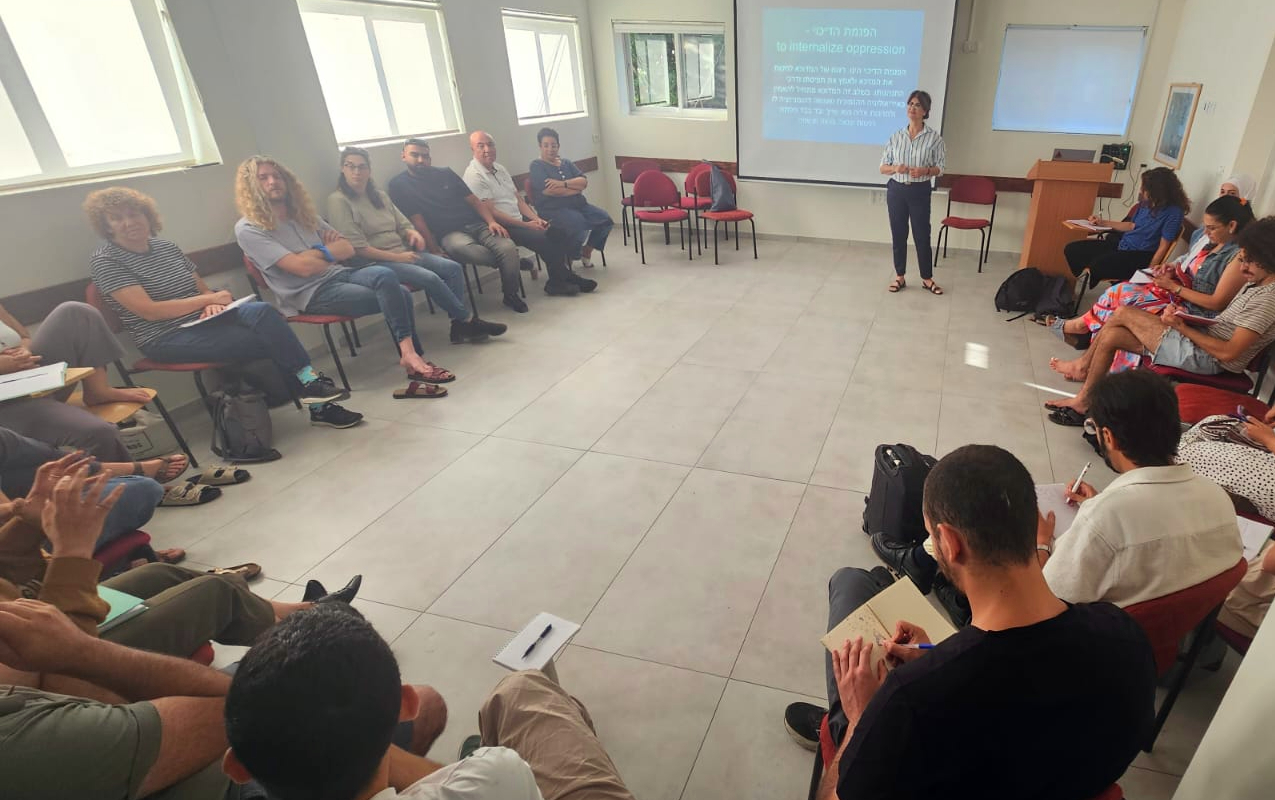
We began the weekend with a “Peer Facilitation” workshop: each pair of participants led a group discussion on a chosen topic. Afterward, they received feedback from their fellow participants and the course facilitators. Later, Dr. Maram Masarwa from Al-Qasemi Academic College gave a lecture on Paulo Freire, the father of critical pedagogy—a core educational and political foundation for the dialogue work at the School for Peace. Her talk deepened our understanding of power dynamics between the oppressed and the oppressors, and how dialogue and education can be tools for liberation. The first day ended with a social evening organized by the group, which helped strengthen the bonds between participants and process the day’s experiences.
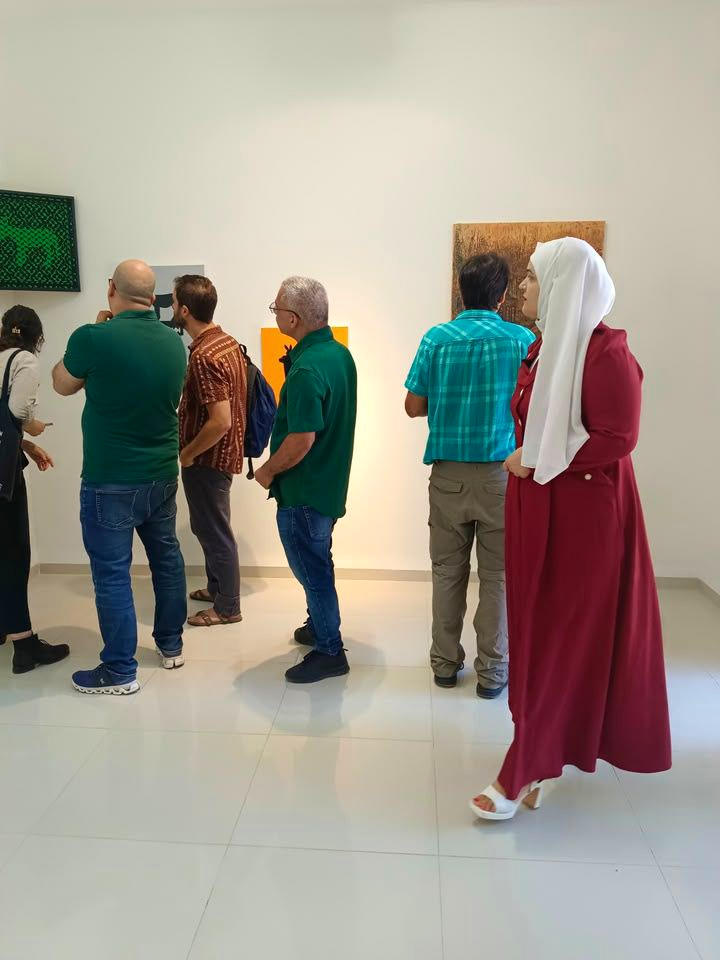
The next day, we visited the “Wahat al-Salam / Neve Shalom” village gallery to view the exhibition “מועקה وجع Headache”, which evoked difficult emotions and sparked important conversations. In the afternoon, we continued with peer facilitation workshops. One pair explored the idea of “political imagination,” while another reflected on key moments from the course. Later, the course facilitators led the final two sessions on facilitation challenges, focusing on two main themes: co-facilitation between Palestinian and Jewish partners, and the process of saying goodbye. We ended the second day with another meaningful and joyful social evening.
On Saturday, course facilitators Ibrahim and Michal guided the group through a closing process, using both single-nationality and mixed-nationality dialogue sessions. These included reflection, sharing experiences, and personal insights.
Here are some quotes from participants:
“For the first time, I shared traumatic experiences at checkpoints. This course gave me strength in my personal life.”
“I came to truly understand what Jews went through after October 7th, and the course helped me hold on to my humanity.”
“I had a lot of fears coming in, but here I learned both how to facilitate and to truly get to know the Palestinian experience.”
Pictures from the weekend:
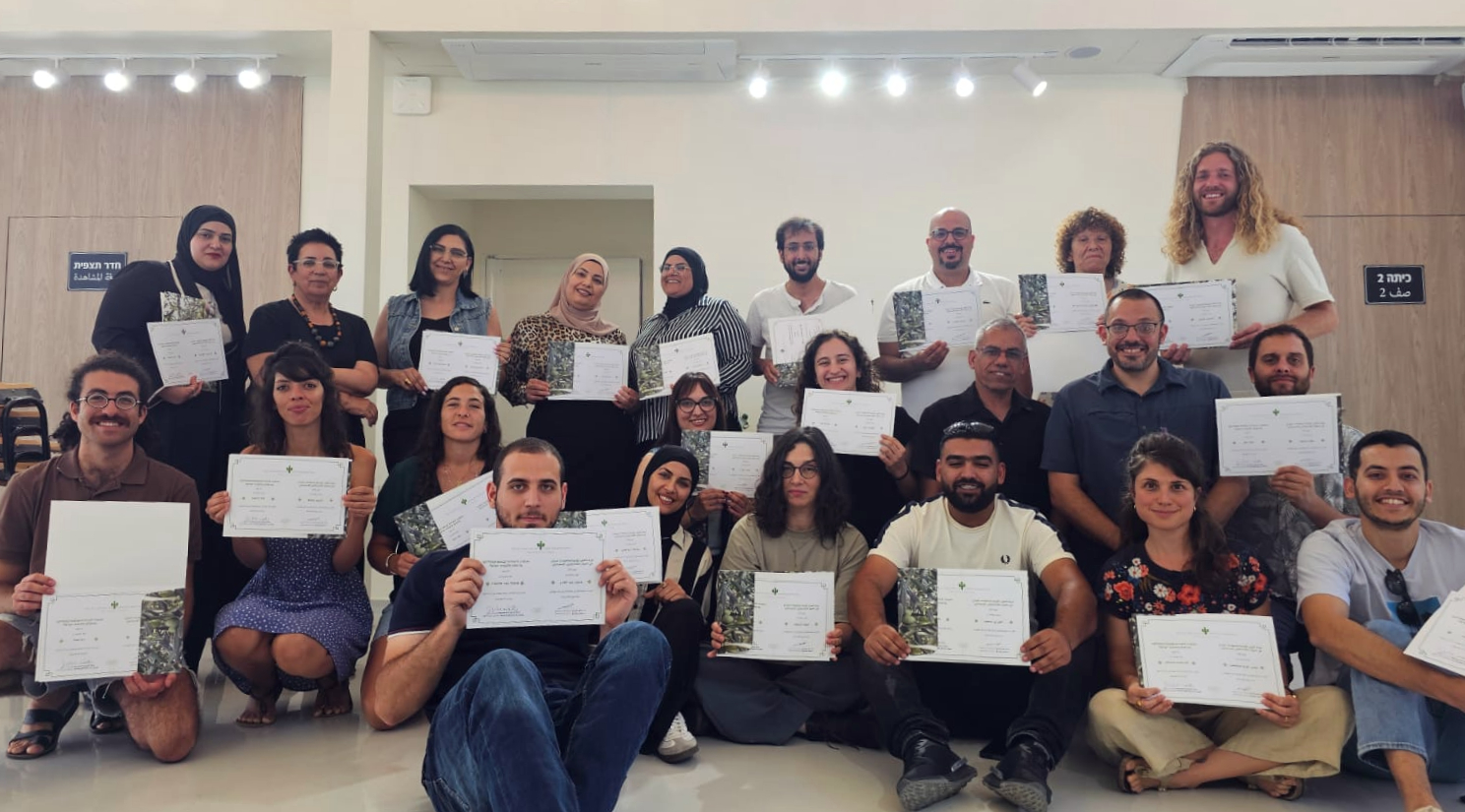
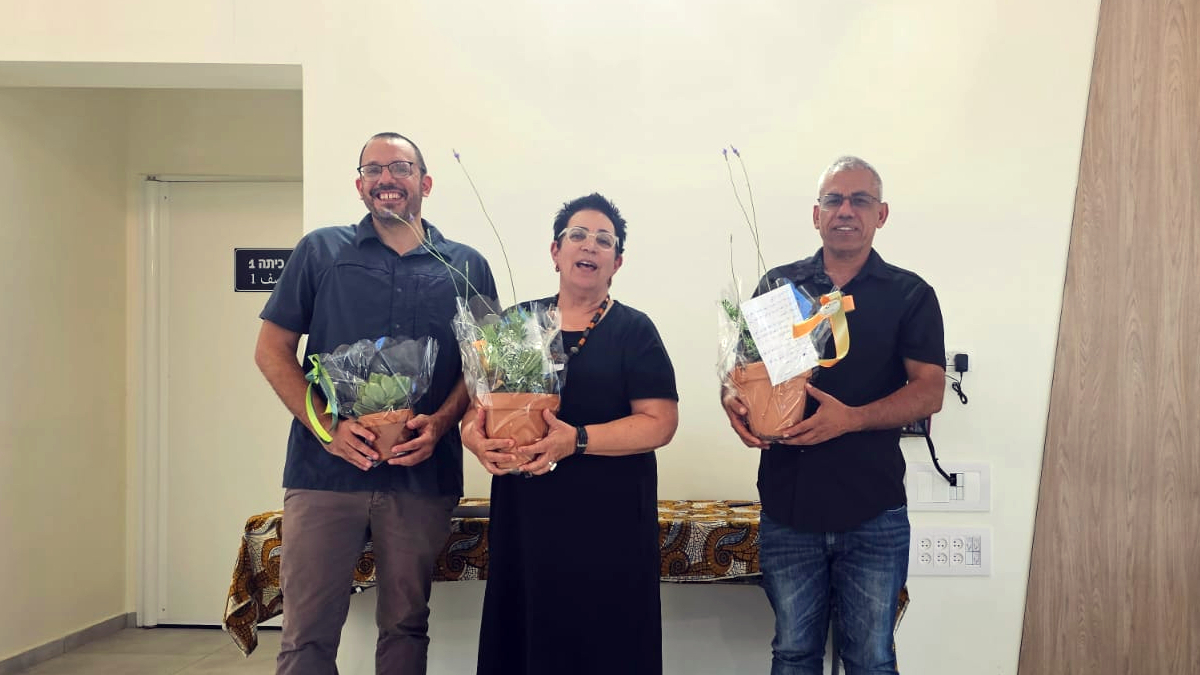
–