
Agents of Change for Spatial Justice (Nakba Tour Guides): Opening
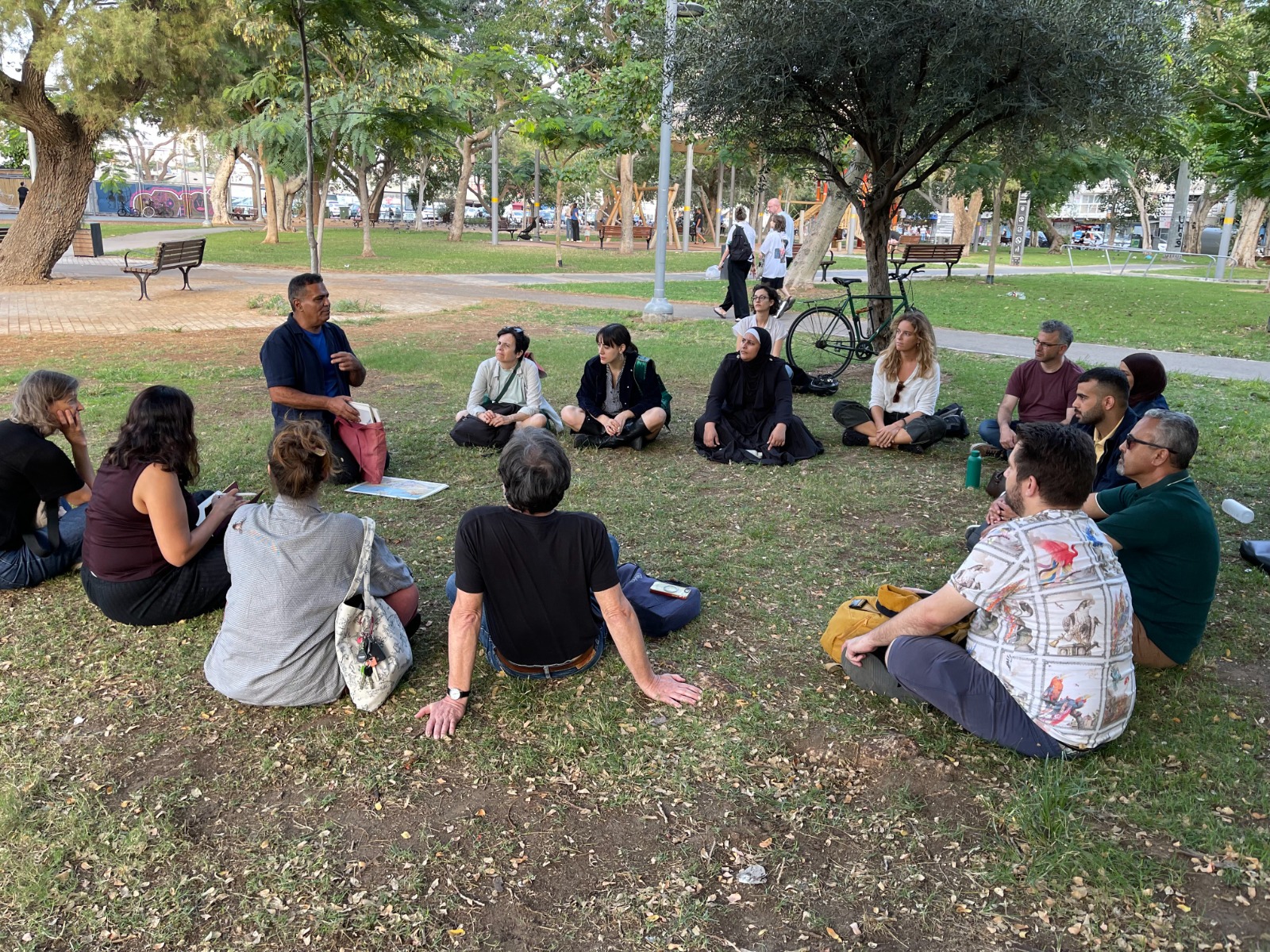
Opening Weekend Summary:
Agents of Change for Spatial Justice: A Binational Course on Guiding Tours on the Ongoing Nakba
A joint collaboration between the School for Peace and Zochrot
The field of tour guiding in Israel is highly state-regulated and aligned with a mainstream Zionist narrative, leaving little room for critical perspectives. This motivated our partnership with Zochrot to create a course training Palestinians and Jews to guide with an understanding of the Nakba embedded in the landscape. After the first cohort’s success, continuing was natural. Zochrot brings over two decades of accumulated expertise and historical knowledge of the Nakba and guiding such tours, while the School for Peace brings its dialogical tools, enabling participants to process this knowledge through their national and identity-based perspectives. Together, we offer a unique course that expands the circles willing to acknowledge the dispossession and erasure of Palestinians and to move toward repair, transformation, and a shared space rooted in justice, freedom, and equality.
The second cohort of our binational course opened in mid-October with a powerful and emotionally charged learning weekend. Sixteen participants – half Palestinian, half Jewish – arrived after a careful selection process, bringing with them strong motivation, curiosity, and a shared commitment to learning together about the Nakba and its contemporary implications.
Building the Group: Expectations, Fears, and the First Layer of Trust
The opening exercises – introductions through personal geographies and a collective mapping of expectations – revealed both the common ground and the deep asymmetries shaping participants’ lives. They asked of one another honesty, active listening, respect, non-judgment, and a commitment to showing up fully. From the facilitation team they sought knowledge, structure, emotional holding, and sensitivity to quieter voices.
Alongside this, fears surfaced: defensiveness, lack of listening, unequal participation. Yet already in these first hours, participants stepped courageously into the shared space, naming personal painful realities – life under threat of home demolition; fear of speaking openly in a political atmosphere of persecution; constant experiences of inequality. The binational setting quickly proved crucial, offering a rare space for truths that are usually silenced or unheard. Perhaps where the rupture exists is also where healing can begin.
Learning the History: Lectures and Tours on the Nakba
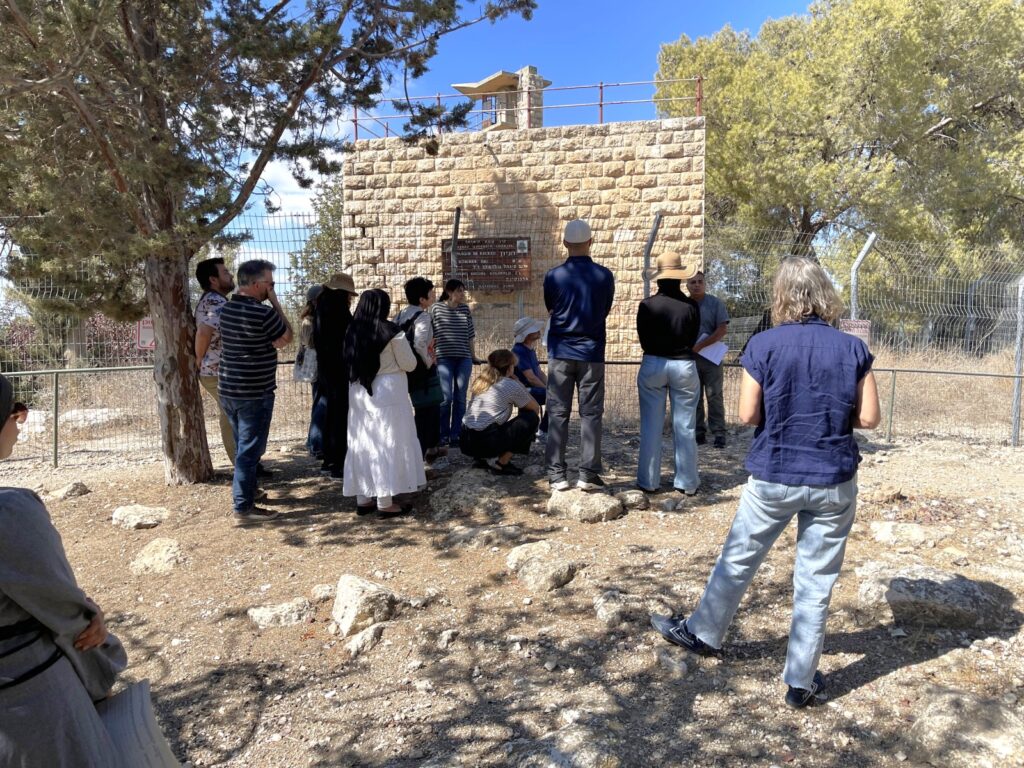
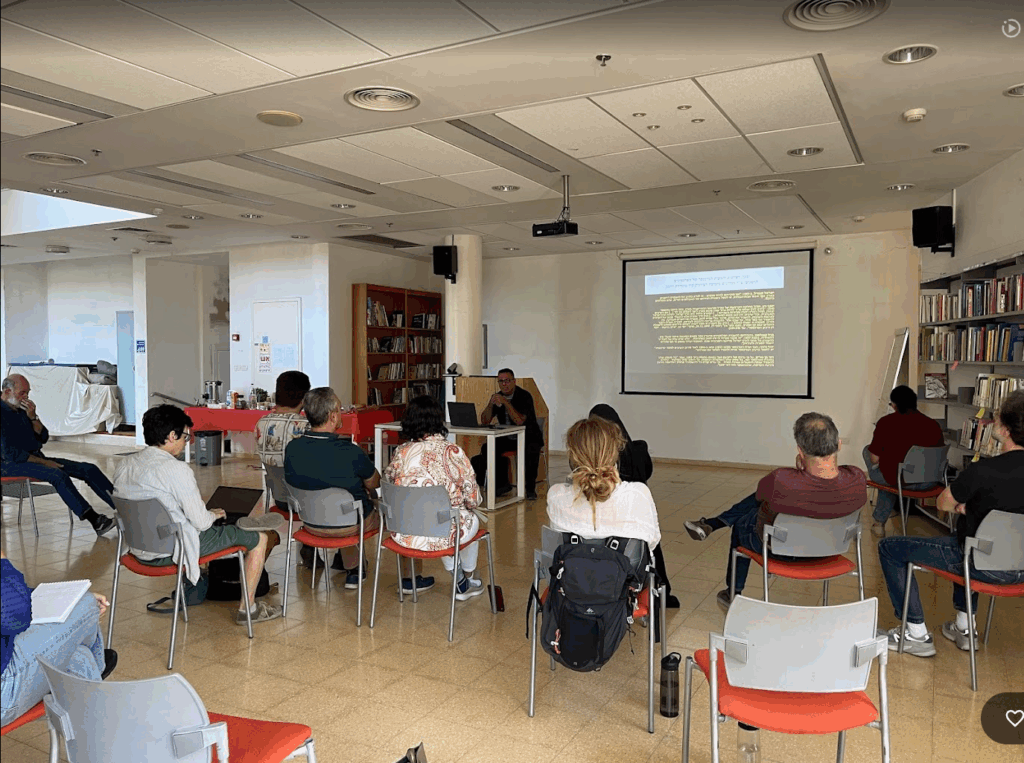
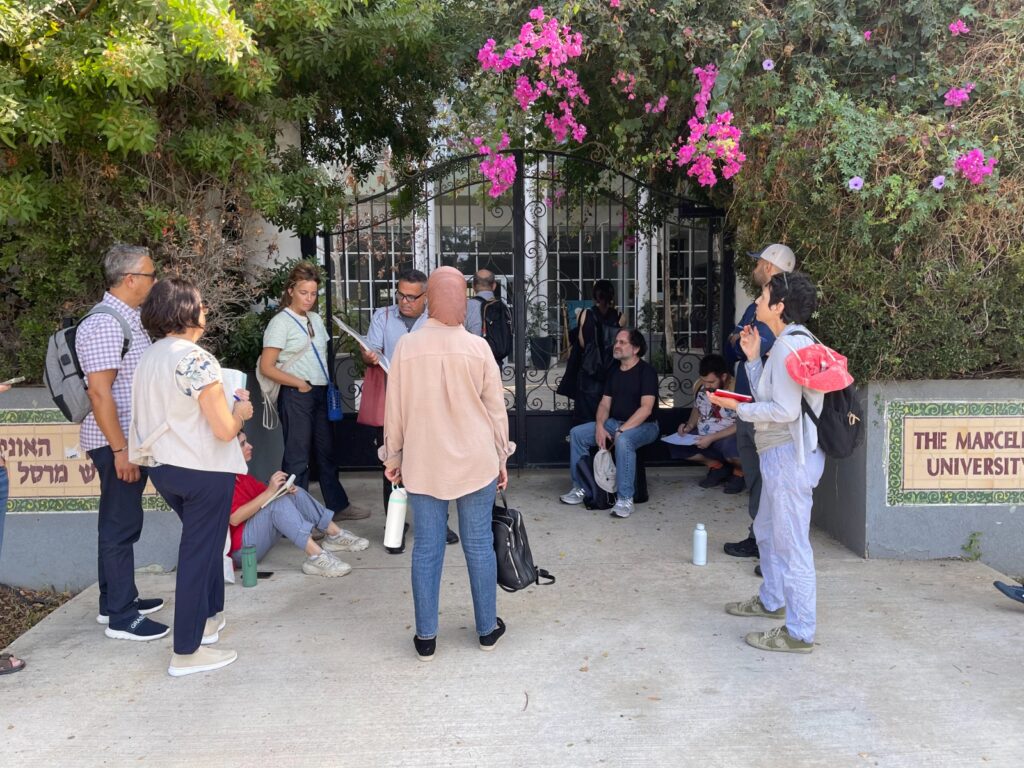
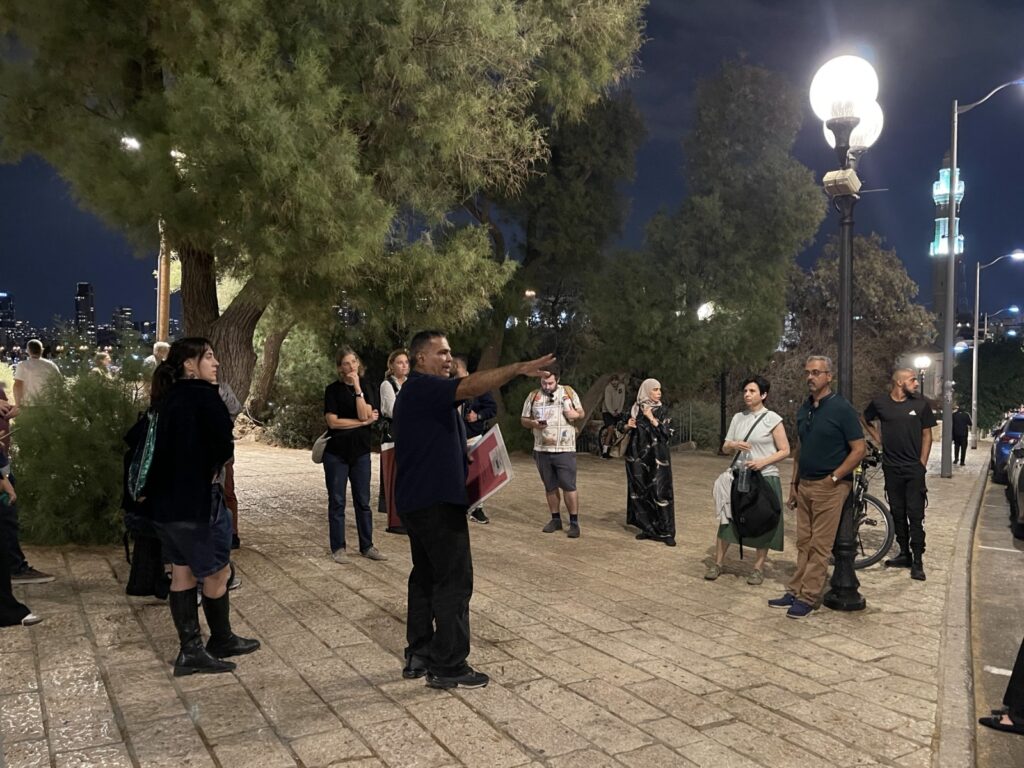
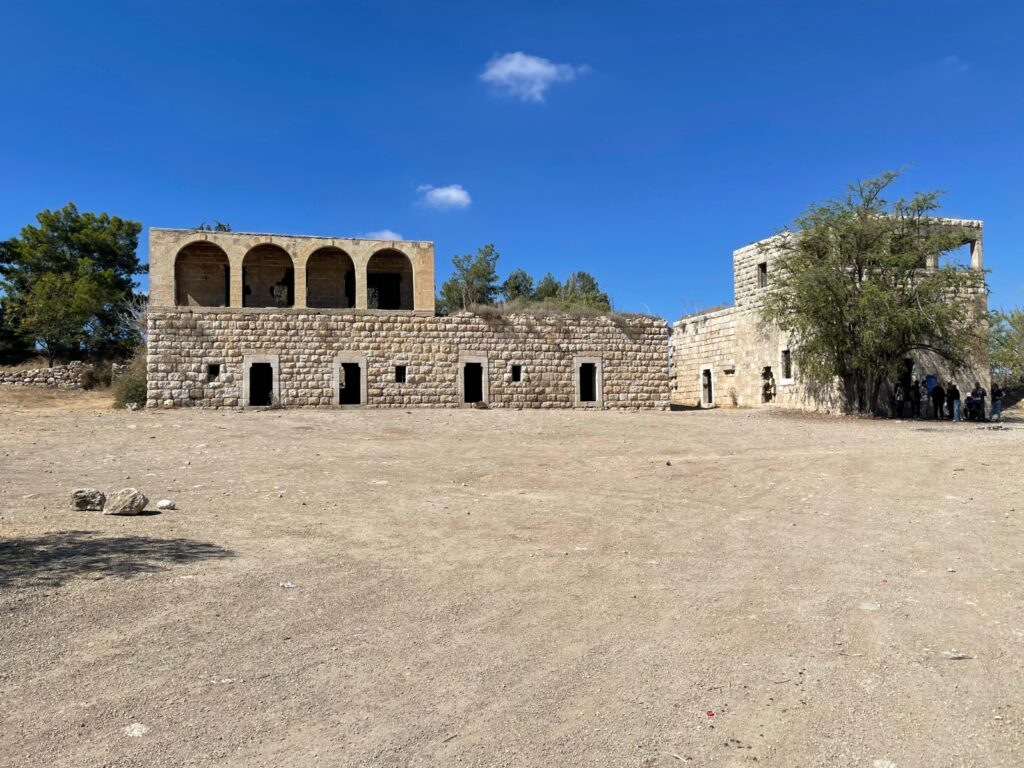
The weekend included two historical lectures and two field tours: to Manshiyya/Jaffa, a major urban center depopulated even before Israel’s declaration of independence, and to the destroyed village of Bayt Jiz. Participants walked the landscapes of 1948 while situating each site within the broader history of expulsion, dispossession, and erasure.
For many – Palestinian and Jewish alike – the information was overwhelming, eye-opening, and deeply affecting. “Don’t say ‘let’s move to the next stop,’ say ‘let’s move to the next shock,’” one participant remarked during the tour. Even those already politically aware encountered new documents, maps, quotes, and historical sources that challenged long-held assumptions.
The impact was not symmetrical: for Palestinian participants, the knowledge often felt affirming and strengthening – “I collect pieces of my erased identity at every stop,” one said. For Jewish participants, it raised questions of responsibility, identity, and moral dissonance – “This is dangerous for me. I feel less empathy for Jewish suffering in the Holocaust because of what Israel is doing in Gaza,” another shared.
Dialogue: Why Are We Doing This Together?
In the binational dialogue session, participants grappled with a central question:
Why engage so deeply with this painful history – and why do it together?
Some spoke of the urgency of learning a suppressed history; others of the emotional cost.
In the Jewish uni-national dialogue, questions of taking up space surfaced. A central voice expressed a desire to hold back and not take space in the group, as a form of counterbalance to the dominance and erasure enacted by their collective.
The closing circle was striking in its honesty. One participant summarized the emotional landscape of the group:
“We are two groups – one burdened by deep guilt, the other by deep victimhood. What will we do with this? How do we move toward repair?”
Many important questions emerged over the course of the weekend – questions that naturally have no answers yet. We hope that, as the course unfolds, new insights will begin to take shape through the shared process.
Holding the Space: The Facilitation Approach
In the first cohort, Umar – the expert from Zochrot who teaches the historical content on the Nakba and leads the tours – also served as the group’s Palestinian facilitator. Based on insights from that first cohort, we decided to separate the roles in this new cycle: the group now has two facilitators for the dialogue, while Umar leads the historical and political learning. Already from the opening weekend, it is clear that this change is having a positive impact on both the team and the group. This separation allowed the group to process emotionally without the pressure of defending or debating historical narratives. It positioned the facilitators as holders of emotional and relational space, while the lectures and tours served as frameworks for challenging inherited worldviews.
Looking Ahead
The opening weekend made clear the political and emotional depth of the journey ahead. Participants are not merely learning information; they are confronting histories that shape their identities, relationships, and visions for the future. The binational nature of the course – learning side by side, witnessing each other’s pain and insight – is already generating the transformative potential that stands at the heart of this program.
__